Bars, Artists and the Third Place
Updated: Sep 22
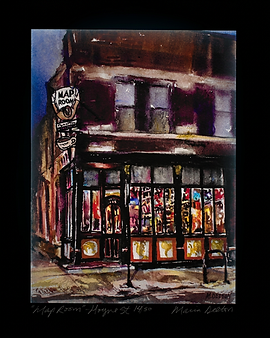
The idea of a “third place” borrows from the work of urban sociologist Ray Oldenburg (1932–2022), who explored the importance of informal gathering places outside the two places that tend to dominate our lives: home and work.
In his influential 1989 book, The Great Good Place, Oldenburg described home as the “first place,” work as the “second place,” and the informal places where people gather simply because they want to be there as “third places.”
These third places include bars, taverns, cafés, coffeehouses, barber shops and other neighborhood gathering spots. They are accessible, informal environments where people become regulars, conversations happen naturally, friendships develop, and people encounter others they might not otherwise meet.
Oldenburg believed these places play an important role in creating community, belonging and sociability. Ray was concerned that suburbanization, automobile dependence and the increasing separation of home, work and commerce were gradually diminishing these gathering places in American life.
It’s worth remembering that The Great Good Place was published in 1989, long before remote work began to blur Oldenburg’s distinction between home as the first place and work as the second. But if anything, that blurring makes the underlying idea even more interesting today: people still need places to gather without a formal purpose or obligation.
And that brings us to the neighborhood bar.
The value of a good bar or tavern isn't merely what it serves. It lies in the conversations, relationships and sense of community that develop there over time. You recognize the bartender. You run into people you've met before. A conversation starts with the person on the next stool. Regulars become acquaintances, and acquaintances sometimes become friends.
Over the past few years, we began noticing something else happening in the bars and taverns we frequent: artists were using them as third places.
We’d see people sketching, writing, editing photographs or simply talking about art with fellow patrons. Sometimes they were working alone while surrounded by other people. Sometimes conversations about art developed spontaneously. The bar wasn't a studio or gallery, yet somehow it had become part of their creative lives.
One of those artists was Christopher Link, known as Dont Fret, who would often draw while seated at the bar at the Map Room. Seeing him work there helped crystallize something we'd been noticing for some time: artists were creating and connecting in these everyday neighborhood spaces, and there were stories behind those relationships. Tragically, Chris passed away in 2025 at age 36.
Eventually, we had an “aha” moment: These were stories worth telling.
We wanted to meet the artists, learn about their work and understand why they had chosen particular Chicago bars and taverns as places to create, think and connect with others. We also wanted to explore the bars themselves—not simply as backdrops, but as third places that make these encounters possible.
That idea became Art on Tap Chicago: stories about artists, the bars they make their own, and the communities that form around them.


Comments